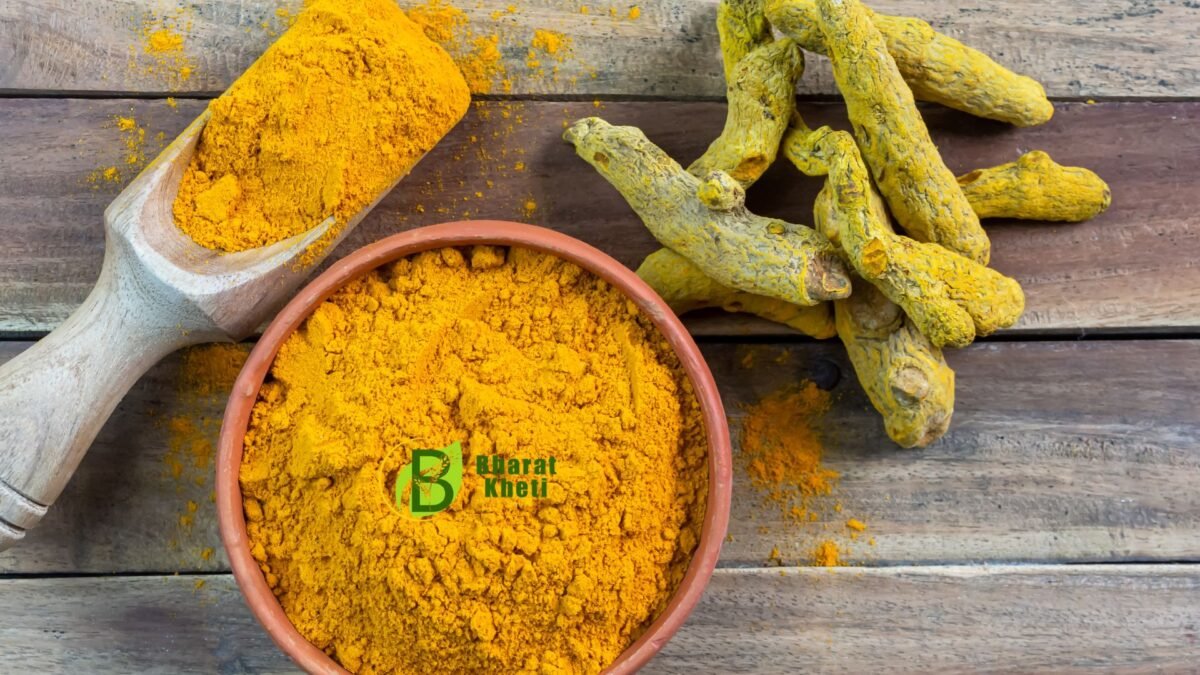
Haldi (turmeric) is more than just a golden spice in your kitchen—it’s a symbol of wellness, purity, and tradition across India. From weddings to Ayurvedic remedies, haldi has been cherished for centuries. But with rising adulteration and inconsistent quality, knowing what makes haldi truly pure and potent is more important than ever.
In this guide, you’ll discover:
- The science behind curcumin—and why it matters
- India’s top haldi varieties (including 7–9% curcumin Lakadong turmeric)
- How to spot fake or adulterated haldi at home
- Where to buy verified, farm-direct haldi online
What Is Haldi? The Power of Curcumin
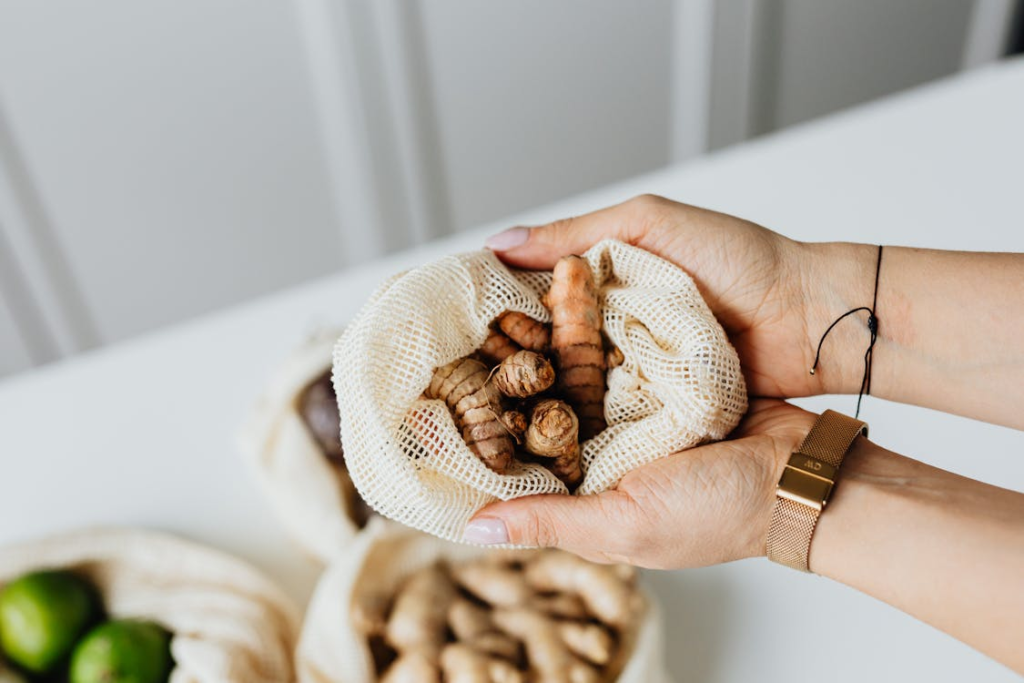
Haldi comes from the rhizomes (underground stems) of the Curcuma longa plant. Its golden color and health benefits come primarily from curcumin—a natural compound with anti-inflammatory and antioxidant properties.
While most Indian turmeric contains 2–4% curcumin, certain regional varieties like Lakadong from Meghalaya boast an exceptional 7–9% curcumin—making them some of the most potent in the world.
Did you know? To absorb curcumin effectively, always consume haldi with a pinch of black pepper (piperine) and a healthy fat like ghee or milk.
Top Haldi Varieties in India – At a Glance
| Region | Variety | Curcumin % | Special Trait |
|---|---|---|---|
| Meghalaya | Lakadong | 7–9% | GI-tagged, highest curcumin |
| Tamil Nadu | Erode / Salem | 3–5% | Deep color, aromatic |
| Uttar Pradesh | Bahraich | 4–6% | Medicinal, earthy aroma |
| Maharashtra | Sangli | 3–4% | Culinary favorite |
Want to explore each variety in depth? Read our detailed comparison: Best Regions for Haldi in India.
Science-Backed Health Benefits of Haldi
Haldi isn’t just traditional—it’s backed by modern science:
- Supports immune function
- Reduces joint inflammation
- Aids digestion and gut health
- Promotes glowing skin and wound healing
For a deeper dive, see: 7 Proven Health Benefits of Haldi.
How Haldi Is Grown: Tradition Meets Sustainability
Most haldi is planted in June–July and harvested by December–January. In Meghalaya, farmers practice Jhum (shifting) cultivation, growing haldi in biodiverse, chemical-free forest plots. In contrast, Tamil Nadu and UP use more intensive—but increasingly organic—methods.
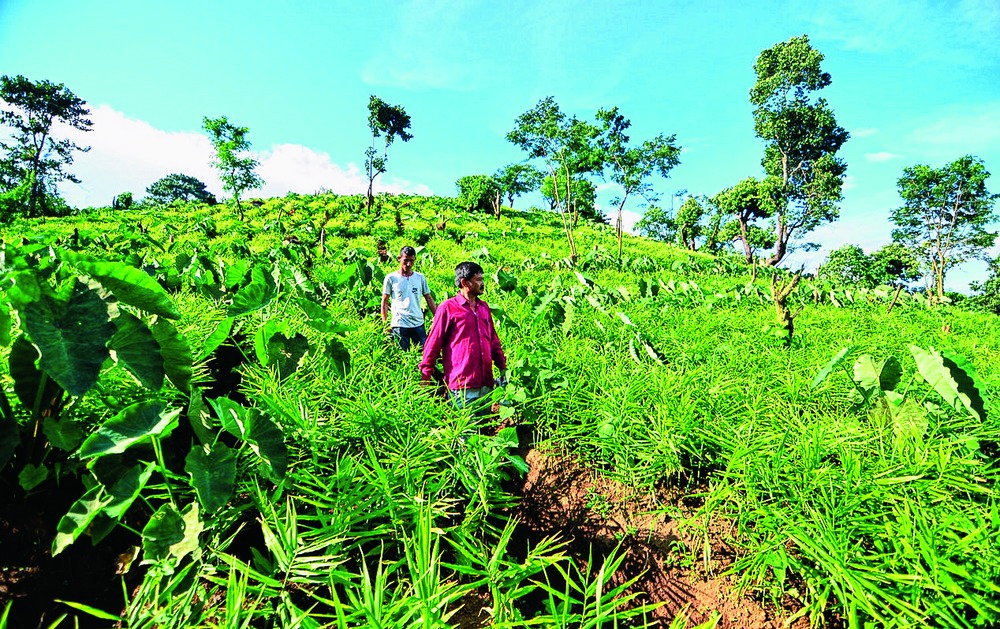
Learn how ethical farming shapes quality: From Soil to Shelf: How Haldi Is Grown in India.
How to Identify Pure Haldi (Avoid Adulteration!)
Up to 40% of turmeric in India is adulterated with metanil yellow, chalk, or starch. Watch for these red flags:
- Unnaturally bright yellow color
- Bitter or chemical aftertaste
- Doesn’t stain your fingers when rubbed
Try these 5 simple home tests to check purity: How to Identify Pure Haldi.
Storing & Using Haldi for Maximum Potency
Store haldi powder in an airtight glass jar, away from sunlight and moisture. Use within 6–8 months for best results. For daily use:
- Add to warm milk with black pepper → Golden Milk
- Mix with honey for a face mask
- Use fresh grated haldi in dals and rice
More ideas: 5 Traditional & Modern Haldi Recipes.
Why Buy Haldi from Verified Farmers?
Most haldi passes through 3–5 middlemen before reaching you—increasing cost and risk of adulteration. At BharatKheti, we partner directly with farmers to offer:
- Lab-tested purity & curcumin levels
- Transparent origin (e.g., “Lakadong, Jaintia Hills”)
- No additives, no fillers—just pure haldi
Explore More: Your Haldi Resource Hub
Dive deeper into India’s golden spice:
- Lakadong Turmeric: Meghalaya’s Super-Spice
- Salem vs Erode Turmeric: Which Is Better?
- Bahraich Turmeric: UP’s Ayurvedic Treasure
- Organic vs Regular Haldi: What’s the Difference?
- Haldi in Ayurveda: Ancient Wisdom for Modern Life
Frequently Asked Questions (FAQs)
Lakadong turmeric from Meghalaya has the highest curcumin content in India—typically 7–9%, compared to the national average of 2–4%.
Try the water test (pure haldi sinks and colors water yellow slowly), iodine test (no blue color = no starch), or palm rub test (should stain yellow).
Yes—organic haldi is grown without synthetic pesticides or fertilizers, making it safer and often richer in natural compounds. Many regional varieties like Lakadong are naturally organic due to traditional farming.
You can buy lab-tested, farm-direct haldi from verified Indian farmers on BharatKheti Shop.